

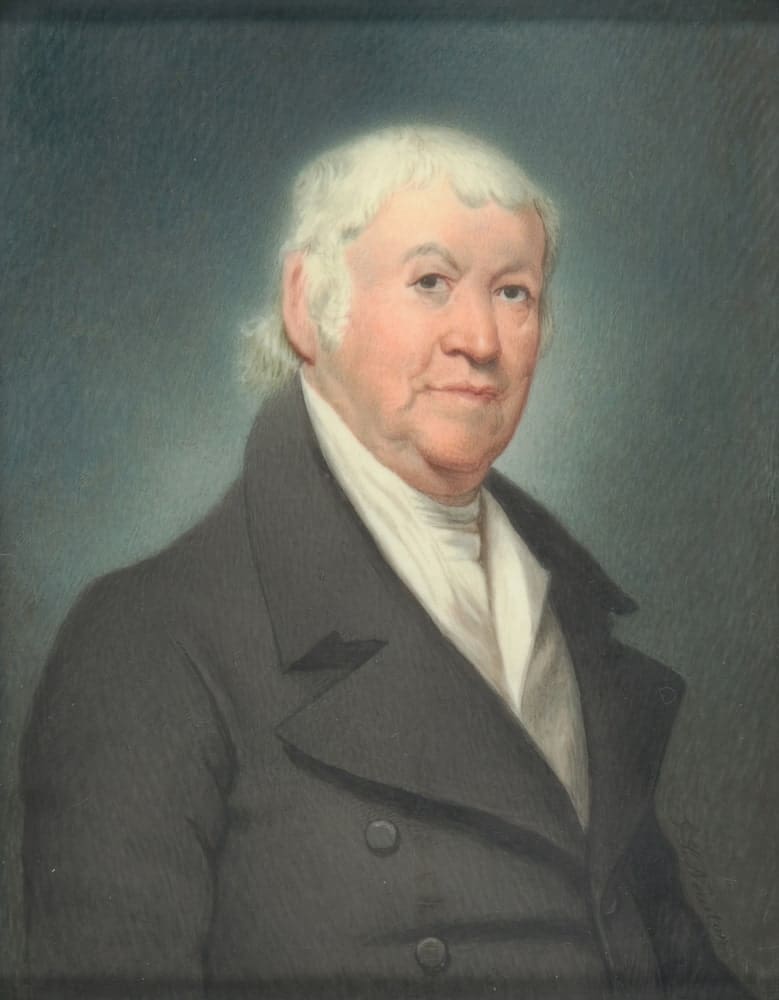

As the United States marks the 250th Anniversary of Paul Revere’s midnight ride to warn colonial militias of the approaching British troops, it is fitting to revisit the life and legacy of Paul Revere, who’s contributions to the American Revolution extend far beyond this singular event.
A silversmith by trade and a committed member of the Sons of Liberty, Revere engaged in intelligence gathering, the dissemination of anti-British propaganda, and direct action—including his participation in the Boston Tea Party. His now-famous engraving of the Boston Massacre became a powerful tool for rallying colonial sentiment against British rule1.
While Longfellow’s 1861 poem immortalized Revere’s ride, historical accounts reveal a broader and more coordinated effort. Revere, alongside several riders including William Dawes and Samuel Prescott, was part of an intricate warning system designed by the Patriot leadership². Captured briefly by British troops, Revere did not complete the ride to Concord, but his warning allowed John Hancock and Samuel Adams to evade arrest and helped prepare the militias for the confrontations at Lexington and Concord—considered by many as the first battles of the Revolutionary War³. The events commemorating the 250th Anniversary of his contributions offer a moment to reflect not just on iconic moments, but on the network of lesser-known figures and coordinated resistance that defined the revolutionary movement.
Beyond his contributions to the revolutionary movement, Revere was a skilled craftsman and early American industrialist. Following the war, he established a successful foundry, Revere Copper Company, and pioneered the production of rolled copper, contributing to America’s growing manufacturing sector. His legacy, while often idealized, stands as a testament to the multifaceted nature of revolutionary leadership—combining artisan skill, political fervor, and a deep commitment to the cause of American independence4.
Footnotes
- Triber, Jayne E. A True Republican: The Life of Paul Revere. University of Massachusetts Press, 1998.
- Fischer, David Hackett. Paul Revere’s Ride. Oxford University Press, 1994.
- Middlekauff, Robert. The Glorious Cause: The American Revolution, 1763–1789. Oxford University Press, 2005.
- Forbes, Esther. Paul Revere and the World He Lived In. Houghton Mifflin, 1942.





Leave a Reply